.
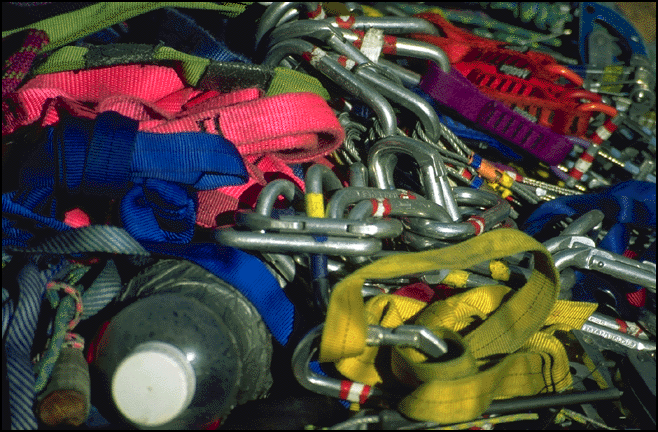
Soon I was standing at the beginning of the route. I looked up at where I was going and I looked down on the ground at what I was going to bring. It was kind of perplexing, because not only did I have to think about how I was going to climb the rock, I also had to think about how I was going to bring all this stuff with me.
I had to bring a helmet, I had to bring some climbing gear called etriers, they are webbing ladders that I would step in and walk my way up the climb while sticking in climbing equipment into the cracks in the rock. The climbing equipment that provides protection is called a camming device. I needed some of those. I had to bring water bottles, and more water bottles, I needed even more climbing gear. I had to bring my sleeping bag, my rock shoes, a climbing rope, another climbing rope, oh and more climbing ropes, and more shoes.
I had to bring a portable ledge to sleep on and I still had more stuff to bring. I had to bring a warm coat because it was winter, I brought more warm clothes, and rain pants. I had to bring a bag full of food. I had to bring a bivouac sack, which is the equivalent of a long garbage bag that you sleep in to stay dry.
Warm hats, mittens… a Walkman so that I could listen to music. More mittens and some Duct tape to repair things as needed. In Minnesota there is a program on television called the Red Green show. Red fixes everything with Duct tape… a highly instructional show.
It was really a monumental task to think about hauling all those things up the climb with me. Warren Harding, the first climber to climb El Capitan; called big wall climbing an "exercise in vertical freight hauling". An appropriate observation I was beginning to realize.
.
